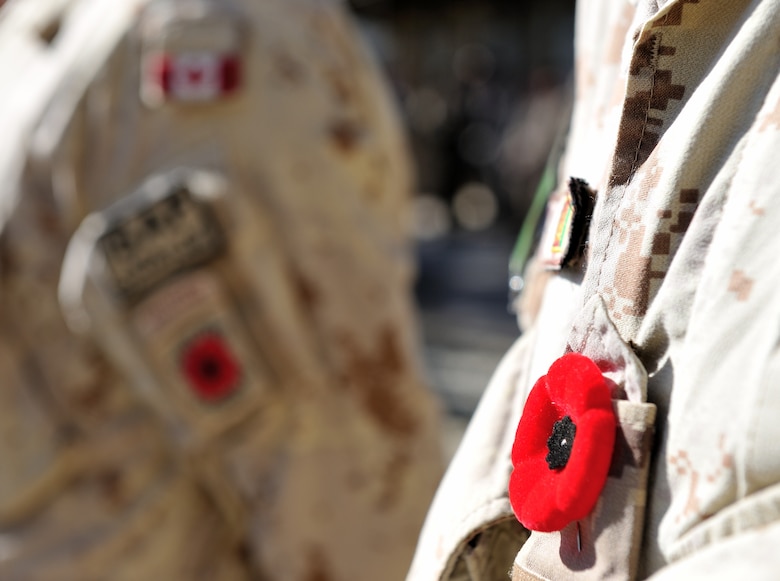
This week in the United States we mark Veterans’ Day, which is known as Armistice Day or Remembrance Day in other countries. It originally marked the anniversary of the end of World War I; the cessation of hostilities between Germany and the Allies took affect at the 11th hour of the 11th day of the 11th month. Now the day honors all those who have served in the Armed Forces and remembers those who gave their lives for their country. I don’t think Veterans’ Day gets as much attention in the United States as Remembrance Day does in the countries more deeply affected by World War I. In many of the Commonwealth counties, especially the United Kingdom, Canada, Australia, and New Zealand, members of the military wear a red poppy flower on their uniforms for several weeks before Remembrance Day to remember whose who fought and especially the millions who died.
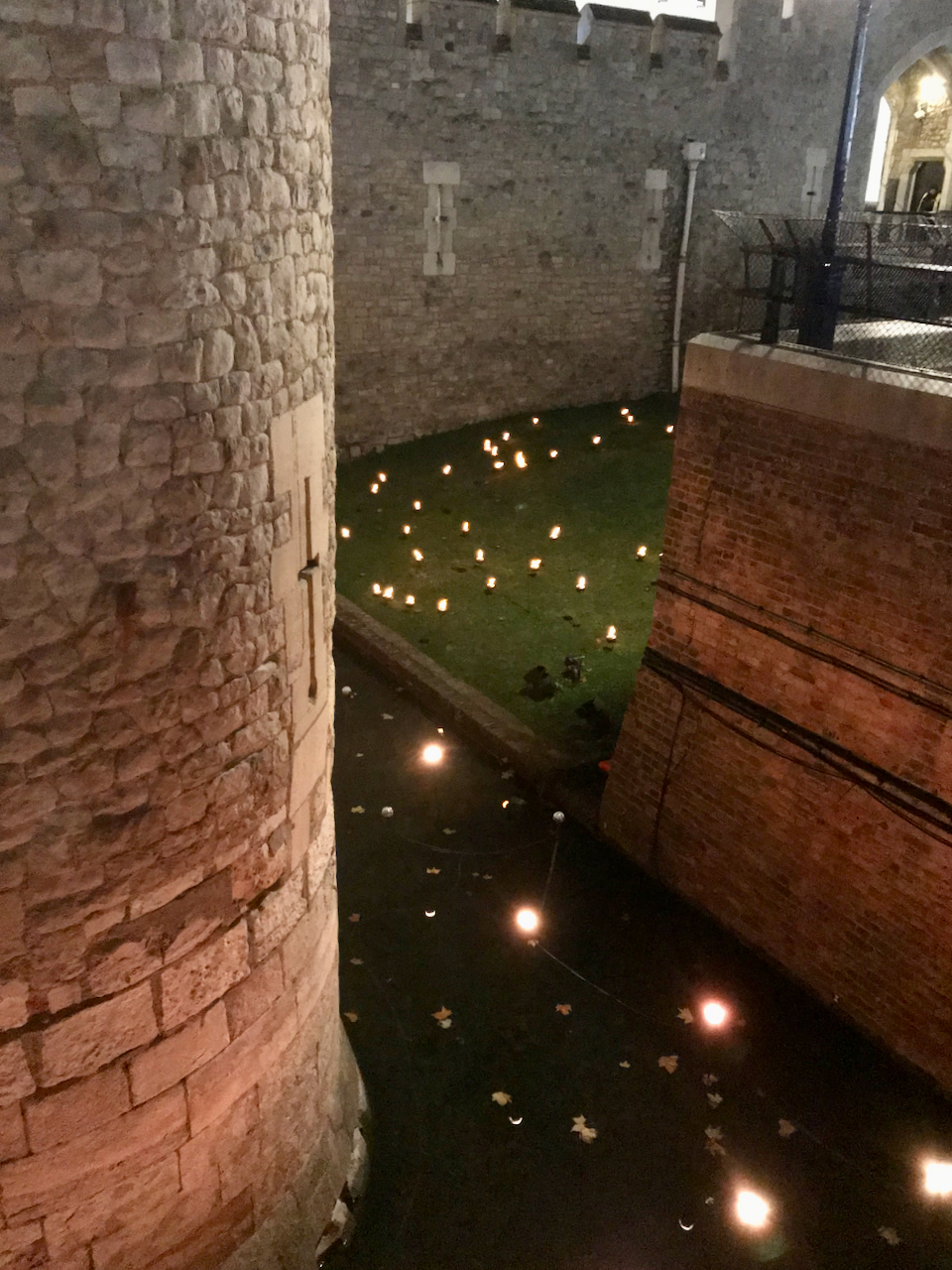
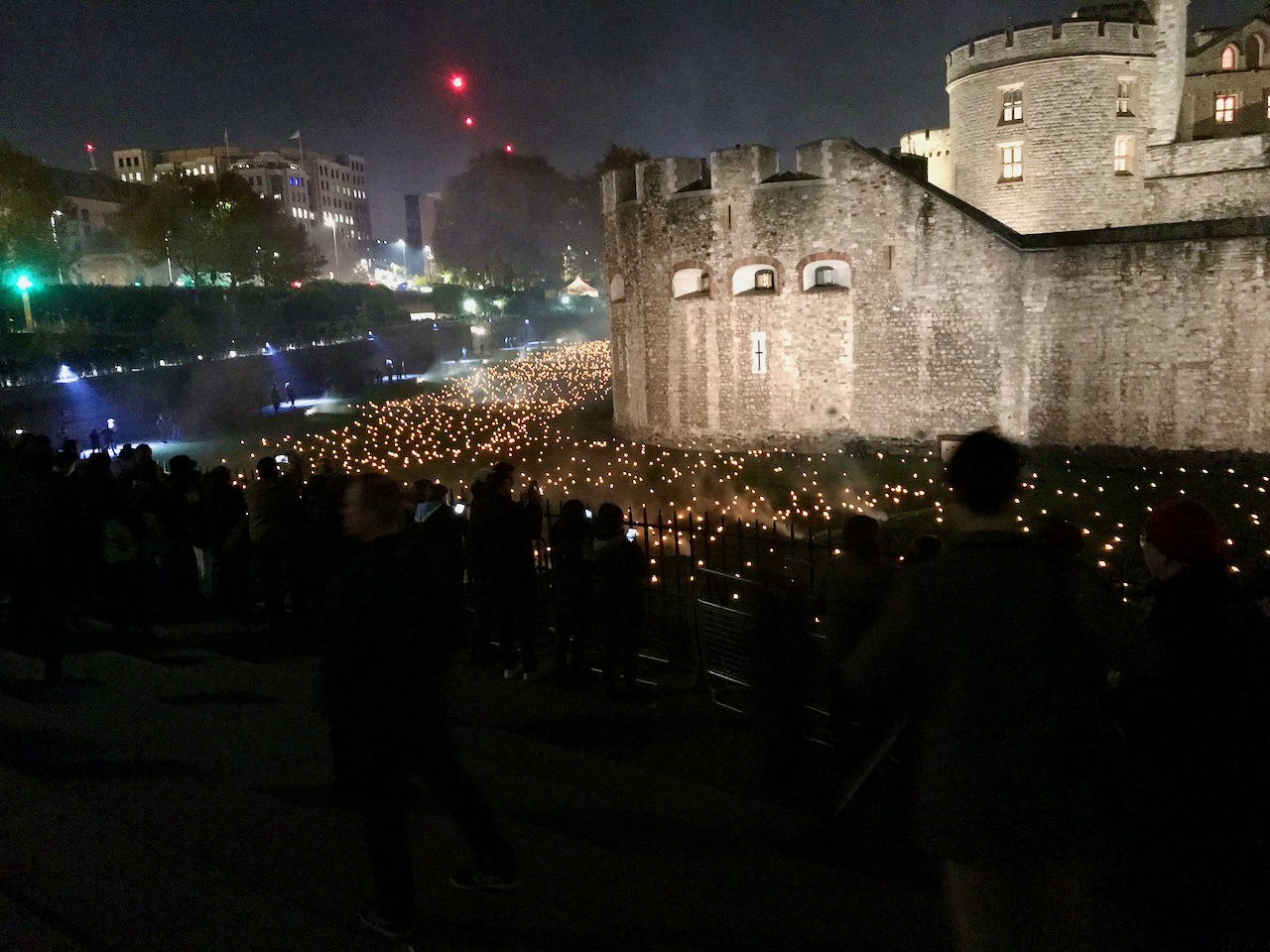
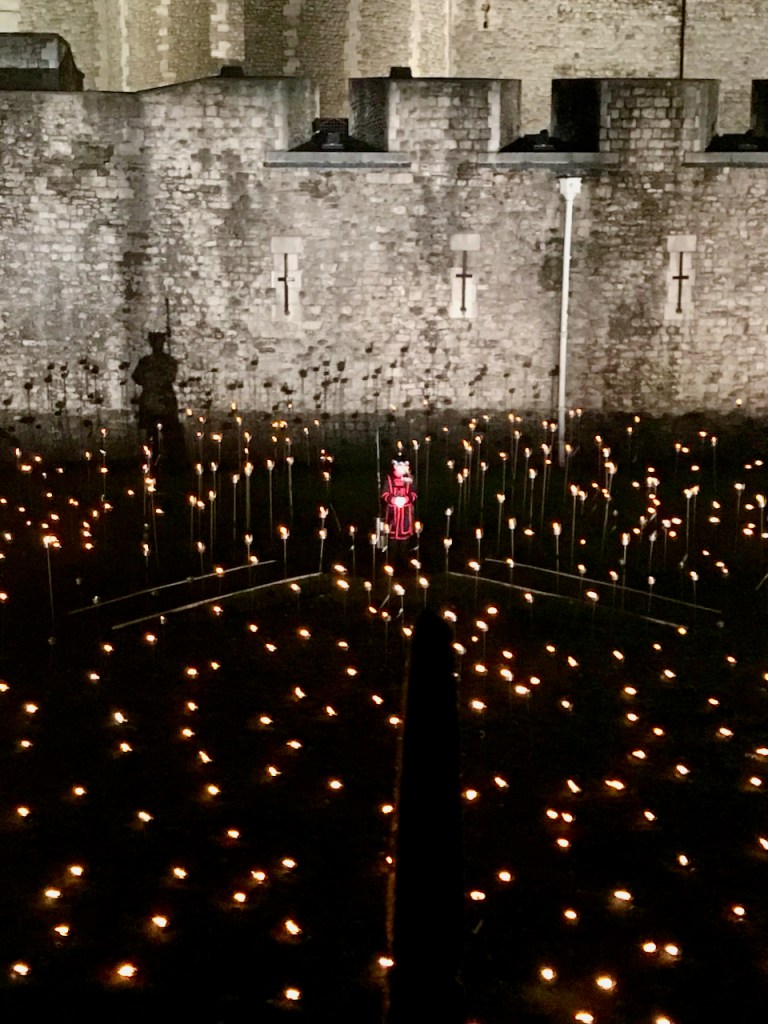
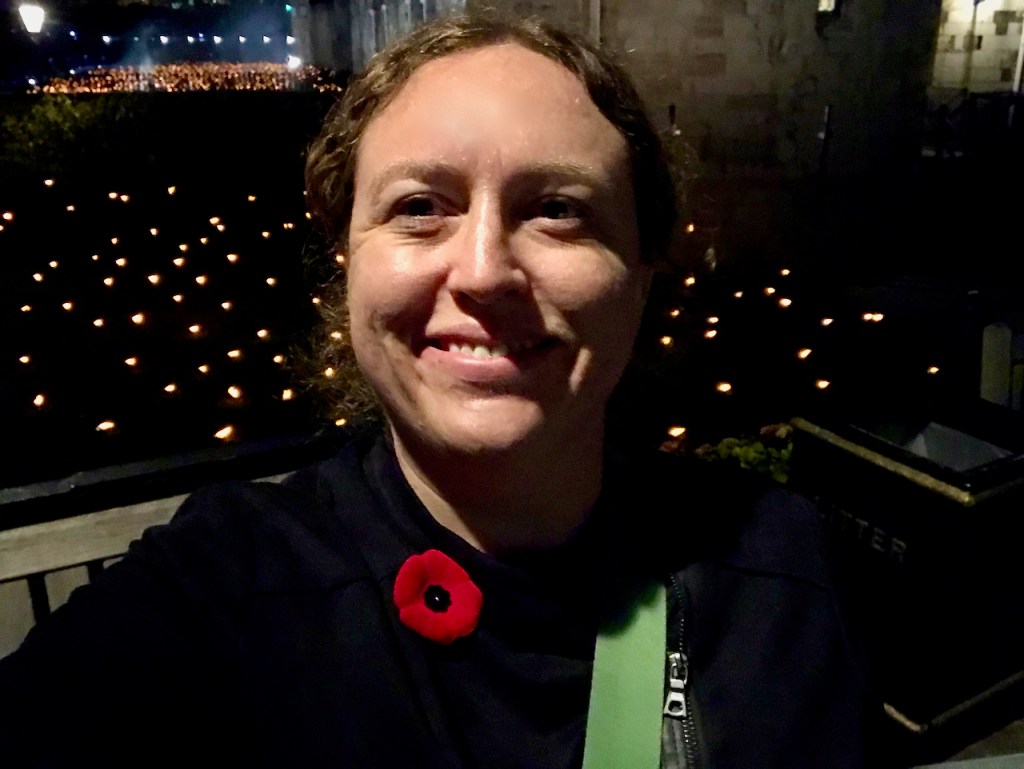
I had the privilege to be in London on 11 November 2018, the 100th anniversary of the end of World War I, and was able to see the scope feeling that Remembrance Day still evokes there. To mark the centenary of the end of the First World War, an installation at the Tower of London filled the moat with thousands of individual flames: a public act of remembrance for the lives of the fallen, honoring their sacrifice. Each evening over the course of four hours the Tower moat was gradually illuminated by individual flames. The visual spectacle was accompanied by the sounds of whispered voices, representing the shifting tide of political alliances, friendship, love and loss in war. Seeing the installation was a moving and haunting experience. On the day after Remembrance Day, I went to the Cenotaph, a memorial honoring those who died in World War I, that was set up in 1920, where lots people had laid wreaths the day before.
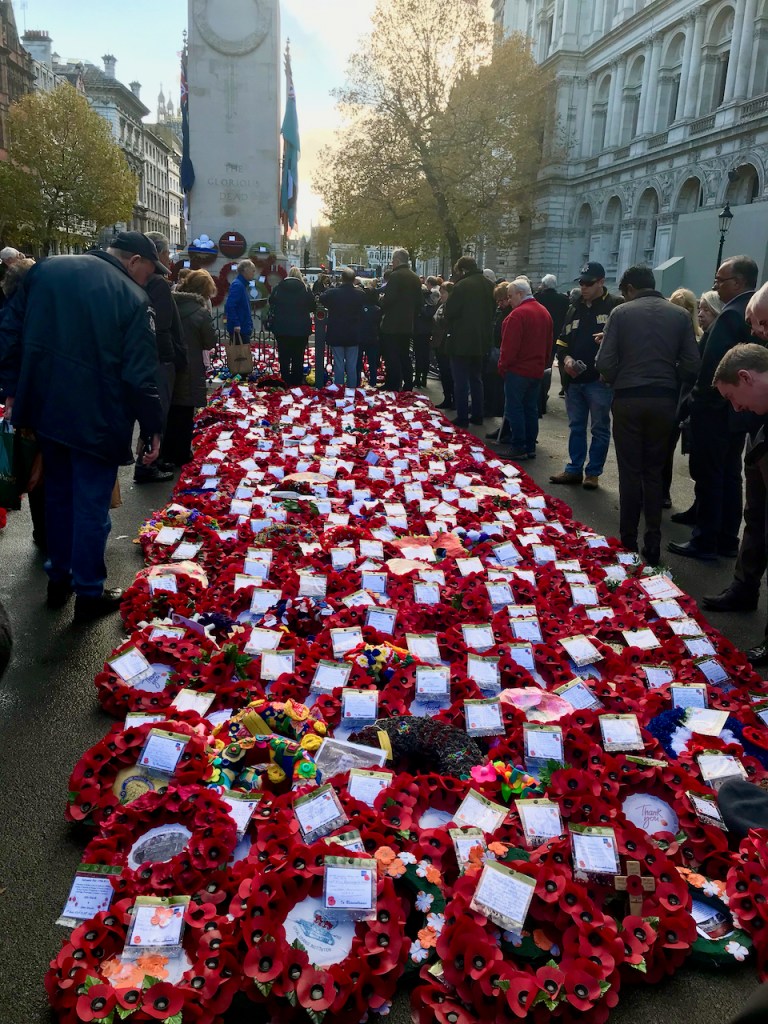
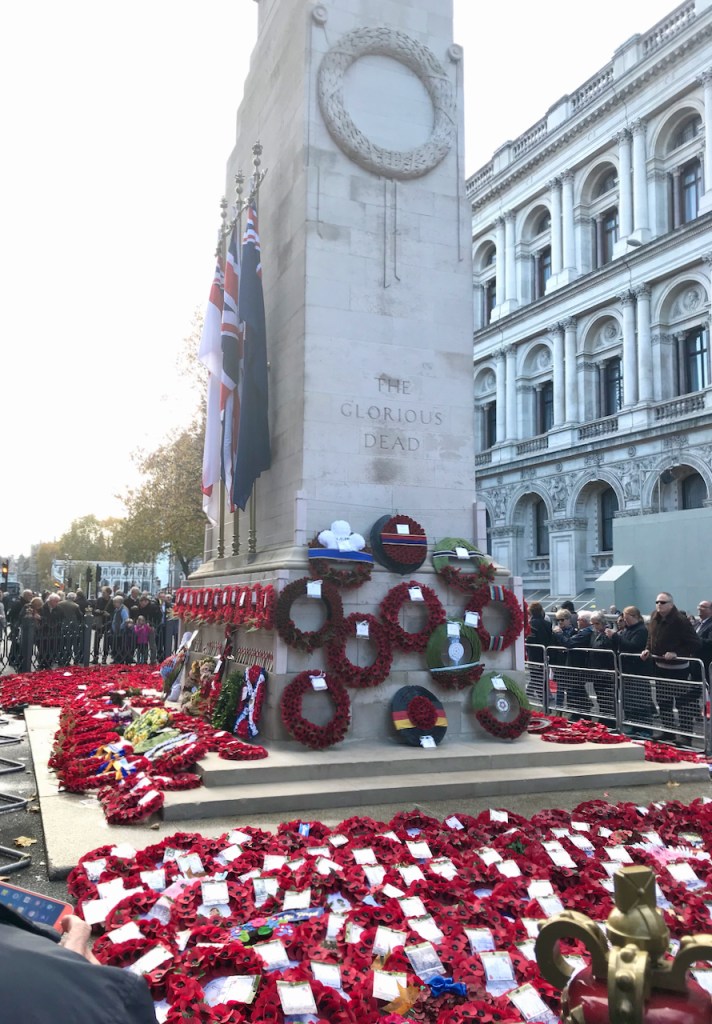
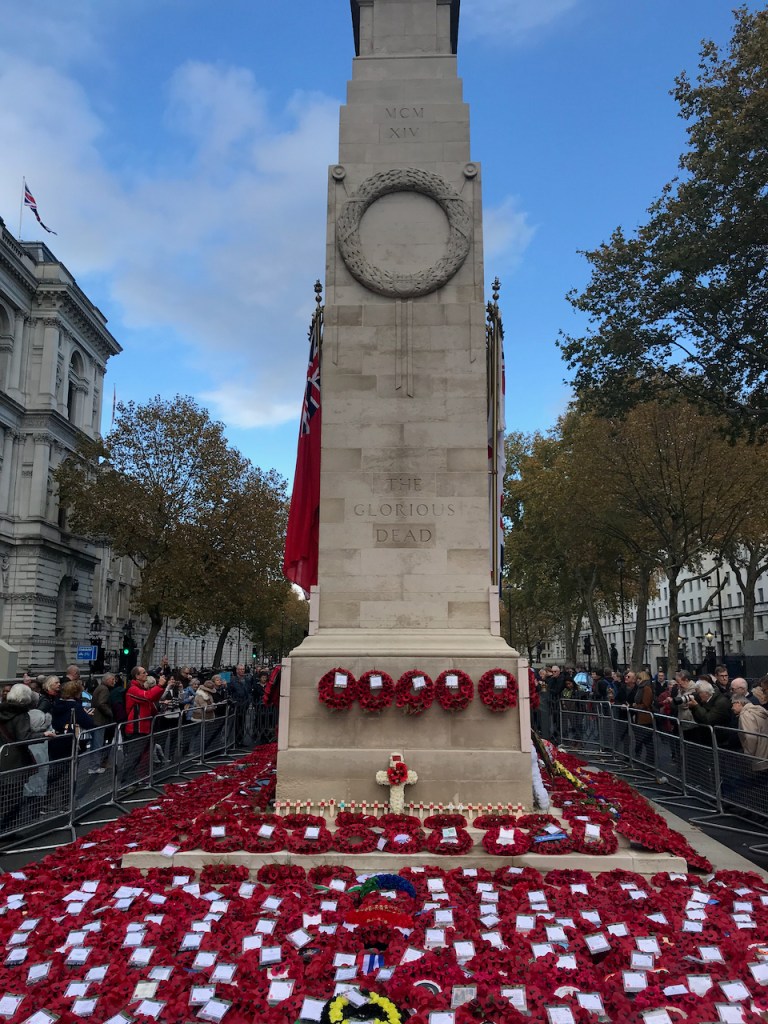
I honor all who have served in the Armed Forces to protect their families, freedom, and peace. I have been touched by the military service I had discovered while researching my family, and will share a few examples of their service below, particularly those who served during World War I.
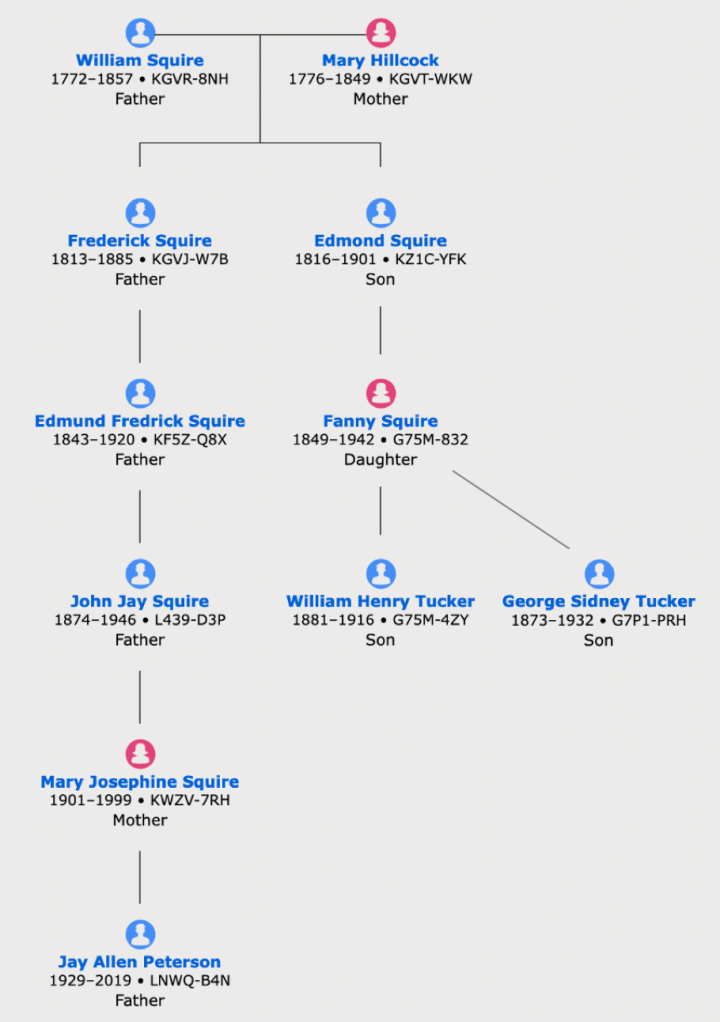
George Sydney Tucker (1973-1932) & William Henry Tucker (1881-1916)
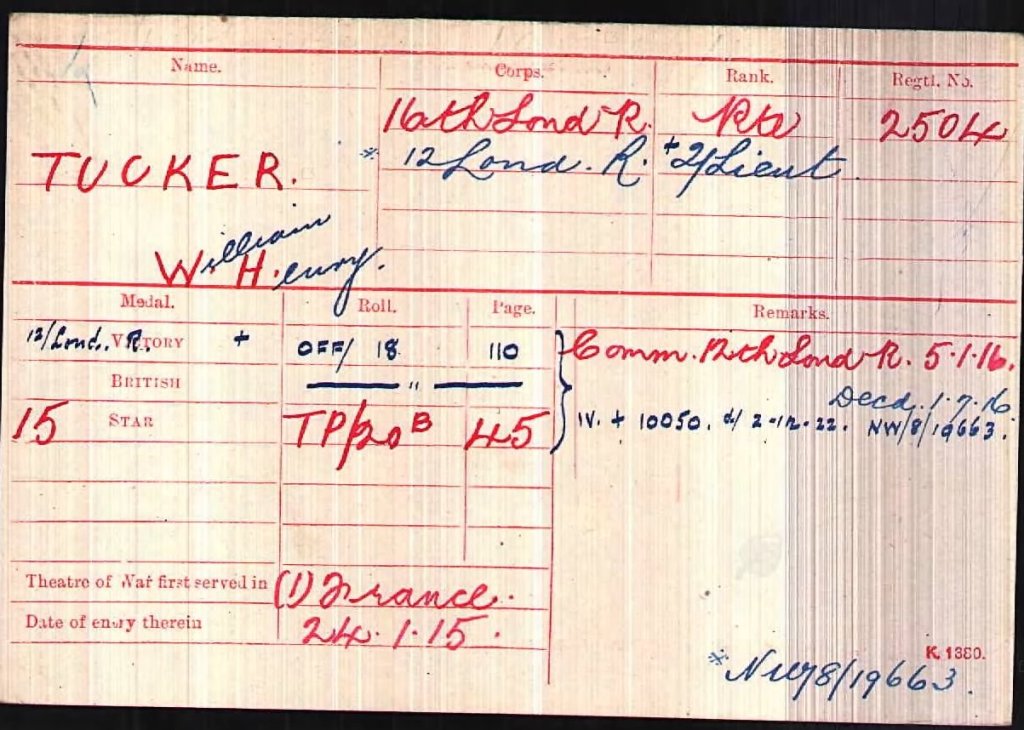
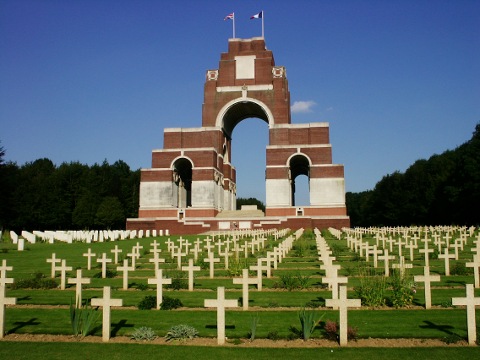
During World War I, William joined the British Army, leaving behind his wife, son, and daughter. He was 33 years old. He arrived in France on 24 January 1915. He started as a private in the 16th Battalion, London Regiment and was later promoted to a second lieutenant in the 12th Battalion, London Regiment (the Rangers), the same battalion in which his brother, George, was also a member. He was killed on 1 July 1916, during the first day of the Battle of the Somme and is buried there.
The Battle of the Somme took place between 1 July and 18 November 1916 on both sides of the upper reaches of the River Somme in France. More than 3 million men fought in the battle, and 1 million men were wounded or killed, making it one of the bloodiest battles in human history. The first day was also the worst day in the history of the British Army, in terms of casualties, suffering 57,470 casualties, including 19,240 killed in action. In the end, British and French forces penetrated only 6 miles into German-occupied territory and they failed to achieve their key objectives.
William’s older brother, George, also served in the British Army during World War I. In May 1915, he was a captain in the 12th Battalion, London Regiment (the Rangers). By December 1915, he had been promoted to a major. The regiment saw intensive action on the Western Front in the First World War (including the Battles of the Somme and Passchendaele). Unlike his brother, George survived the brutal war and returned to his family in England.
Alma Sharp Barker (1897-1980)
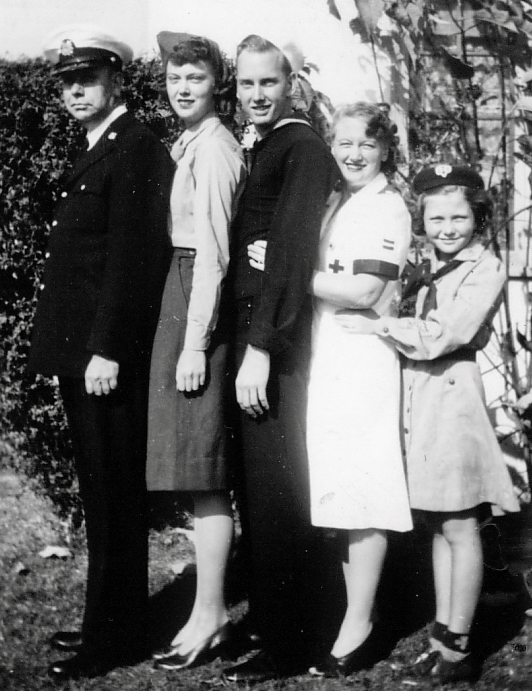
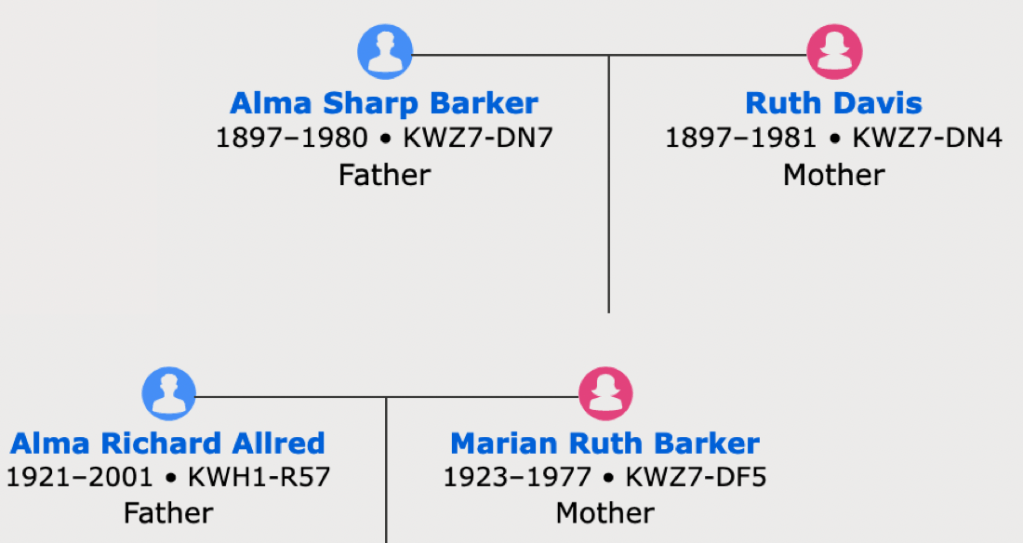
Alma joined the Utah National Guard in 1917, at age 20, just before the National Guard unit was mustered into the United States Army, when the United States entered World War I. He served for 2 years. First at Camp Kearny, California and later in France, in the Medical Department. He arrived in France in August 1918—about 2.5 months before the war ended—and was on his way to the Front when the Armistice was signed. He recorded in his autobiography that there was not much for the medical department to do at first, when he arrived, but then an influenza outbreak occurred among the soldiers and he was very busy. For a while, he was a nurse in the contagious ward. Later he worked in camp hospital administration because he could type quickly. He stayed in France until June 1919, and was honorably discharged in July 1919. During World War II, he served his country again, this time in the Coast Guard Reserves in California.
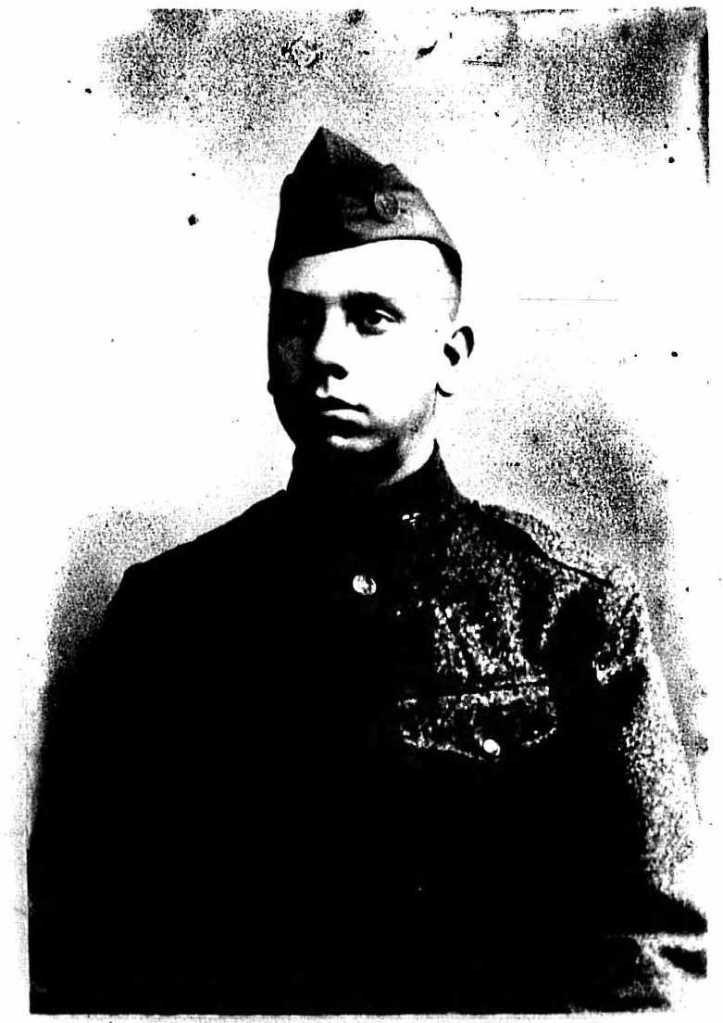
Alma Barker from WWI Service Record 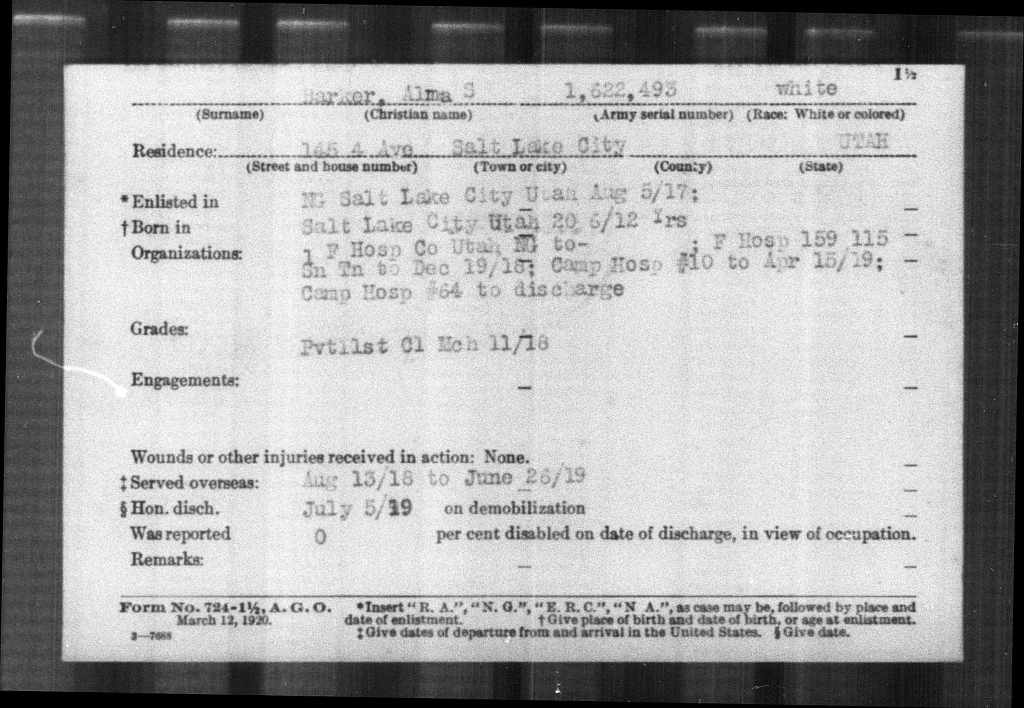
Alma Barker’s Service Record
William Squire (1809-1846)
William probably joined the British Navy or Royal Marines as a teenager or young adult. In his 1844 will, he states he was in Her Majesty’s service in the Royal Navy. Later, his death is noted in a Navy obituary list as a member of the Royal Marines. In late March 1846, William became the Master (the senior non-commissioned rank) aboard HMS Styx, operating off the western coast of Africa. In May 1846, the Styx was at Ascension, a very small island in the middle of the Atlantic Ocean used by the British Navy as a resupply point. The ship operated along the coast of Africa to intercept and capture slave ships.
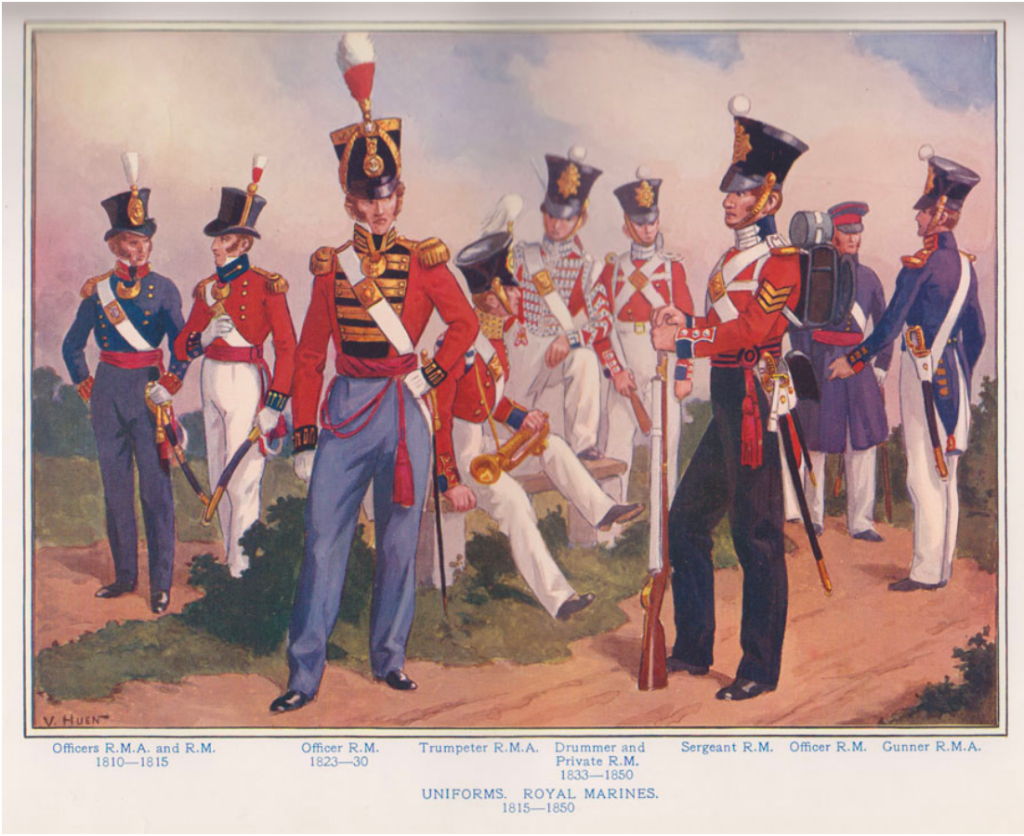
In late October, much of the crew of HMS Styx became ill, to such an extent that the Styx borrowed the surgeon from HMS Flying Fish to help deal with the outbreak. Sadly, William died of “coast fever” on 30 October, when he was 37 years old. He likely was buried at sea. It took months for the news to reach England; an account of the illness was reported in a Southampton newspaper in late February 1847. William’s will was not proved until 22 April 1847. Before news of his death reached England, William was included among a batch of promotions announced on 9 November 1846, when he was promoted to master, a senior non-commissioned officer rank, which suggests he must have been in the Marines for some time.
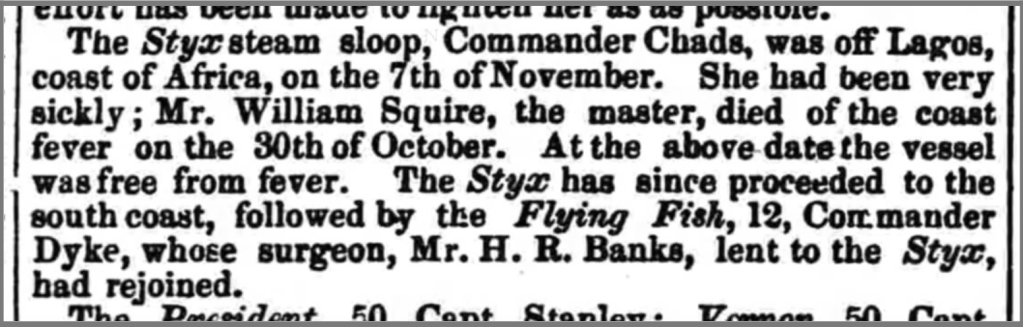
27 February 1847: News of William Squire’s death at sea


 Genealogy Adventures